

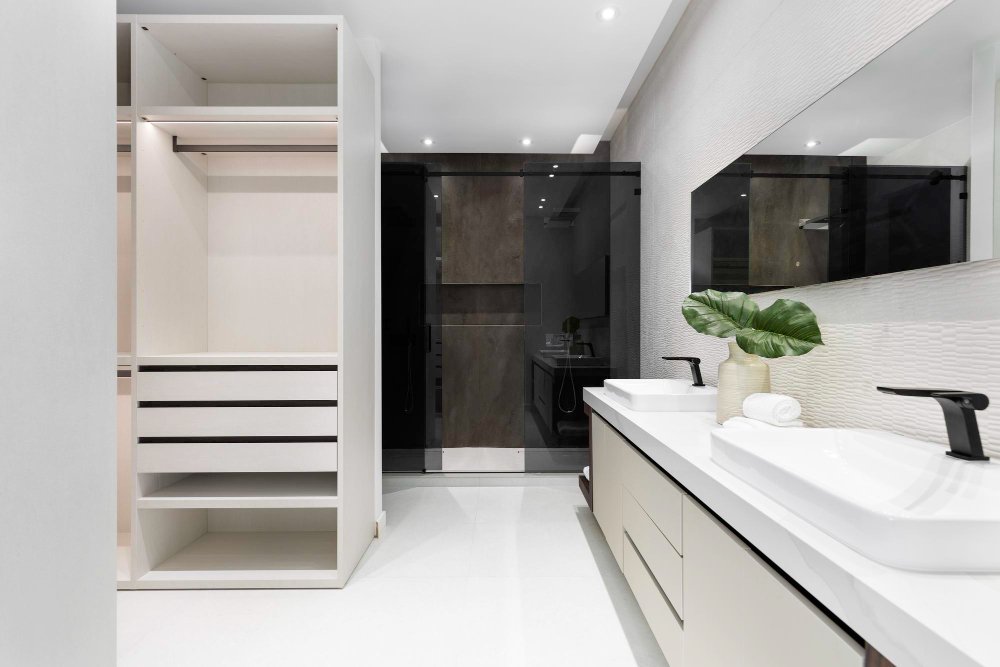
There is a quiet transformation taking place in modern bathroom design. While luxurious tile, sculptural lighting, and elegant fixtures continue to capture attention, designers are increasingly focusing on a detail that has a far greater influence on everyday comfort than many homeowners realize: vanity height.
A bathroom vanity is more than cabinetry supporting a sink. It is the place where mornings begin, evenings slow down, and countless daily routines unfold. The height at which it is installed influences posture, ease of movement, accessibility, and even how spacious the room feels. Homeowners researching bathroom vanity height standards often begin with measurements, but quickly discover that selecting the right height is ultimately about creating a bathroom that feels natural every time it is used.
As bathroom design has evolved from purely functional to deeply personal, comfort has become one of the defining characteristics of luxury. Today’s most admired bathrooms are not simply beautiful—they are thoughtfully proportioned around the people who use them.
“The best-designed bathrooms don’t simply look beautiful—they feel effortless every single day.”
The growing emphasis on wellness, universal design, and personalized living has changed the way designers approach even the smallest details. Vanity height is no longer viewed as a fixed standard but as an opportunity to improve everyday life through thoughtful planning.
Comfort Has Become the New Standard
For decades, bathroom vanities typically measured between 30 and 32 inches in height. Those dimensions reflected construction practices that had remained largely unchanged for generations. While functional, they often required adults to lean forward more than necessary during everyday tasks such as brushing teeth, shaving, or washing hands.
Today’s bathrooms tell a different story. Comfort-height vanities—generally ranging from 34 to 36 inches—have become the preferred choice in many contemporary homes. The change may appear modest on paper, but the difference becomes immediately noticeable during everyday use. Standing more naturally at the vanity reduces unnecessary bending while creating a workspace that feels both ergonomic and refined.
This shift reflects a broader evolution in residential design. Homeowners increasingly expect their bathrooms to support long-term comfort rather than simply satisfy minimum construction standards. Designers now think beyond the initial renovation, considering how the space will continue serving homeowners as their lifestyles, families, and needs evolve over time.
EDITOR’S NOTE
Today’s luxury bathrooms prioritize comfort just as much as appearance. Comfort-height vanities have become increasingly popular because they improve everyday usability while complementing the clean proportions of contemporary bathroom design.
There is also an undeniable visual advantage. Taller vanities often create stronger architectural lines that pair beautifully with large mirrors, oversized tile, floating cabinetry, and modern lighting. Rather than appearing bulky, they contribute to a balanced composition where every element feels intentionally placed.
Perhaps the most significant change, however, is philosophical. Luxury is no longer defined by ornamentation alone. Instead, it is measured by how naturally a space functions throughout the day. A vanity installed at the proper height rarely calls attention to itself—and that is precisely the point. The best design solutions quietly improve daily life without asking to be noticed.
As homeowners continue investing in personalized bathrooms, bathroom vanity height standards have become less about following tradition and more about creating environments that reflect modern expectations of comfort, wellness, and timeless design.
Why Sink Style Changes Everything
If vanity height establishes the foundation of comfort, the sink determines how that comfort is ultimately experienced. One of the most common mistakes homeowners make is measuring only the cabinet while overlooking the contribution of the sink itself. In reality, the finished working height is created by the combination of both elements, making sink selection just as important as cabinet dimensions.
Undermount sinks preserve clean, uninterrupted countertop lines because they sit beneath the surface, allowing the vanity height to remain close to the cabinet’s actual measurement. Drop-in sinks create only a slight variation, maintaining proportions that feel familiar in both traditional and transitional bathrooms.
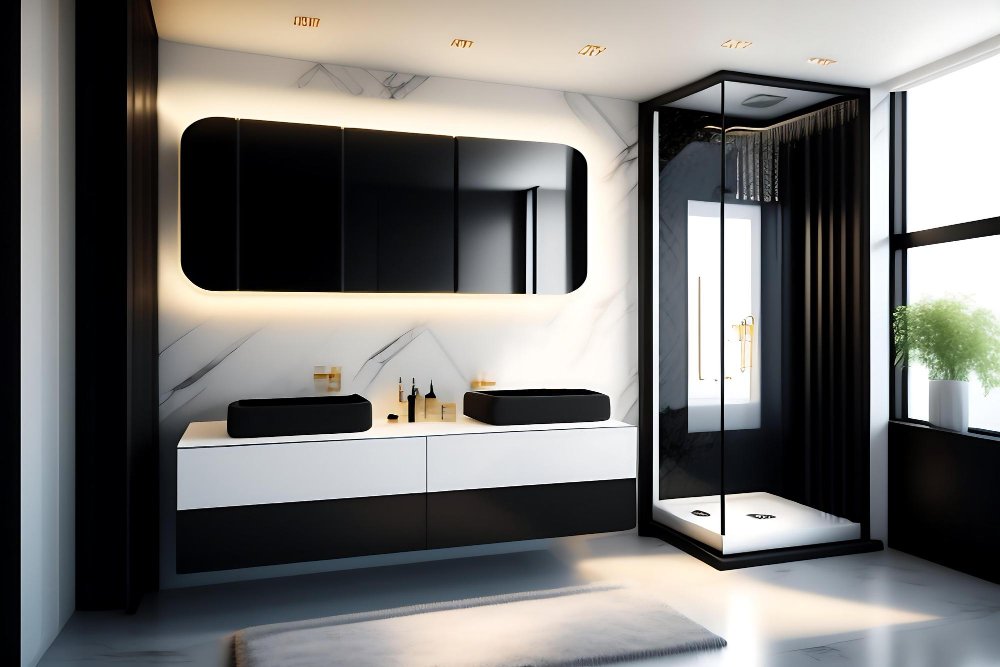
Vessel sinks, however, tell a very different design story. Sitting proudly above the countertop, they introduce sculptural elegance and become immediate focal points within the room. Their visual impact is undeniable, but they also increase the overall working height by several inches. A vessel sink paired with a comfort-height vanity may create a finished surface that feels unexpectedly tall unless carefully planned in advance.
A vessel sink can add several inches to the overall countertop height. Always calculate the finished working height—not just the cabinet height—before selecting your vanity. A beautiful design should always feel as comfortable as it looks.
Integrated sinks represent another increasingly popular choice. Because the basin and countertop are formed as one continuous piece, they create seamless surfaces that emphasize minimalism while simplifying maintenance. They also allow designers to maintain precise control over the finished proportions of the vanity.
The lesson is remarkably simple: every design decision influences the next. The most successful bathrooms never evaluate cabinetry, sinks, mirrors, and lighting independently. Instead, they are composed as complete environments where each element supports the others in both appearance and function.
Designing for Every Member of the Household
The most memorable bathrooms are those that continue serving their owners beautifully for many years. That requires thinking beyond current trends and considering who will actually use the space—not only today, but well into the future.
A primary ensuite designed exclusively for adults may benefit from taller comfort-height cabinetry, generous countertop space, and luxurious double vanities. A guest bathroom often balances universal usability with refined aesthetics, while family bathrooms sometimes require solutions that accommodate children without compromising long-term functionality.
Designers are also embracing universal design principles more than ever before. Wider circulation areas, floating vanities, accessible plumbing layouts, and carefully considered clearances allow bathrooms to adapt gracefully as homeowners’ needs change over time. Rather than appearing clinical, these thoughtful decisions often enhance the overall elegance of the room.
Luxury isn’t about choosing the tallest vanity—it’s about selecting the height that feels completely natural every time you use it. The most successful bathrooms are designed around people first, allowing comfort, beauty, and functionality to exist in perfect balance.
When every member of the household can use a bathroom comfortably, the design becomes more than attractive—it becomes genuinely successful. Comfort is not an accessory added after the fact; it is the foundation upon which lasting luxury is built.
The Most Beautiful Bathrooms Begin With the Right Proportions
Perhaps the greatest misconception surrounding vanity height is that there is one universally correct measurement. In reality, the ideal height depends on the people using the bathroom, the selected sink style, the surrounding architecture, and the overall vision for the space. Numbers provide useful guidance, but thoughtful design gives those numbers meaning.
Professional designers understand that proportion is what transforms individual products into cohesive interiors. Cabinet height, mirror placement, lighting, flooring, ceiling height, and fixture selection all interact to create a bathroom that feels balanced rather than assembled. When these relationships are carefully considered, the room achieves a sense of effortless harmony that never feels forced.
“Timeless design always begins with understanding how people actually live.”
Ultimately, bathroom vanity height standards should be viewed as starting points rather than rigid rules. The most inspiring bathrooms are those tailored to the individuals who use them every day. Whether embracing contemporary comfort-height cabinetry or selecting a custom solution for a unique space, the goal remains the same: creating a room where every movement feels intuitive and every detail contributes to lasting comfort.
When proportion, craftsmanship, and thoughtful planning come together, the result is far more than a beautiful vanity. It becomes a daily reminder that exceptional design isn’t measured by trends—it is measured by how naturally it improves the way we live.