

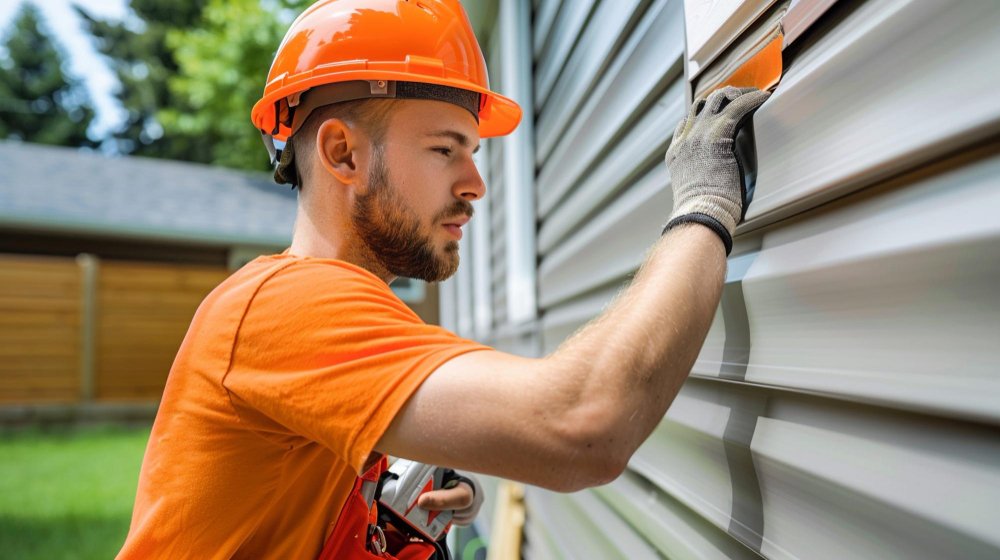
If you’re researching new siding for your home, you’ve probably come across the term Dutch lap siding. At first glance, it may look similar to traditional horizontal siding, but a closer inspection reveals a distinctive profile that creates deeper shadow lines and adds more visual character to a home’s exterior.
Because of its timeless appearance and wide availability, Dutch lap siding has remained a popular choice for decades. Today’s products are available in vinyl, fiber cement, engineered wood, and natural wood, allowing homeowners to enjoy the classic look while selecting the material that best fits their climate, maintenance expectations, and budget.
To help you decide whether it’s the right option for your home, let’s answer some of the questions homeowners ask most often.
What Is Dutch Lap Siding?
Answer:
Dutch lap siding is a horizontal siding profile designed with a decorative curved notch along the top edge of each panel. This profile creates a deeper shadow line than standard lap siding, giving exterior walls greater dimension and texture when viewed from the street.
Although many people assume the style originated in the Netherlands, its name is largely historical. Today, Dutch lap siding is appreciated more for its architectural appearance than its origins. The profile has become especially popular on Colonial, Craftsman, farmhouse, Cape Cod, and many transitional home designs.
Unlike traditional clapboard siding, which features a relatively straight overlapping edge, Dutch lap siding creates a more pronounced layered effect. As sunlight moves across the exterior throughout the day, the curved profile produces changing shadows that add visual depth without relying on elaborate trim or ornamentation.
One reason for its continued popularity is the variety of materials available. Homeowners can choose the profile while still selecting a siding material that matches their performance priorities.
Common material options include:
- Vinyl Dutch lap siding for low maintenance and affordability.
- Fiber cement Dutch lap siding for exceptional durability and fire resistance.
- Engineered wood Dutch lap siding for a balance of natural appearance and improved weather resistance.
- Natural wood Dutch lap siding for homeowners seeking authentic craftsmanship and traditional character.
Each material offers the same recognizable profile while differing in maintenance requirements, longevity, installation methods, and overall cost.
Quick Summary
- ✓ Creates deeper shadow lines than traditional lap siding.
- ✓ Complements both classic and modern architectural styles.
- ✓ Available in vinyl, fiber cement, engineered wood, and natural wood.
What Are the Advantages and Disadvantages of Dutch Lap Siding?
Answer:
Like every exterior cladding system, Dutch lap siding offers both advantages and tradeoffs. Understanding these characteristics helps homeowners decide whether its appearance and performance align with their remodeling goals.
One of its biggest advantages is curb appeal. The distinctive profile creates attractive horizontal shadow lines that give exterior walls a richer, more dimensional appearance than standard lap siding. This added depth often enhances both traditional and contemporary homes without dramatically changing the architecture.
Dutch lap siding is also available across multiple material categories, giving homeowners flexibility when balancing aesthetics, durability, and maintenance. Whether you prefer the low-maintenance convenience of vinyl, the strength of fiber cement, or the warmth of real wood, you can usually find a Dutch lap profile that suits your project.
Another benefit is design versatility. Dutch lap siding pairs well with stone veneer, brick accents, decorative shutters, contrasting trim colors, and modern window styles. This flexibility allows homeowners to personalize their exterior while maintaining a cohesive architectural appearance.
However, the profile itself does not determine overall performance. The durability, maintenance requirements, and lifespan depend primarily on the material selected and the quality of the installation.
For example, natural wood requires periodic painting or staining, while vinyl generally requires only occasional cleaning. Fiber cement offers excellent resistance to moisture, insects, and fire but typically involves more specialized installation techniques.
When comparing products, homeowners should evaluate:
- Expected maintenance requirements.
- Performance in the local climate.
- Installation quality and manufacturer recommendations.
- Long-term durability and warranty coverage.
- Overall project budget rather than material cost alone.
It’s also important to remember that even the highest-quality Dutch lap siding performs best when installed correctly. Proper flashing, moisture barriers, ventilation, and fastening methods all contribute to long-term durability. A premium siding product cannot compensate for poor installation practices.
Likewise, local climate should influence your decision. Homes exposed to intense sun, frequent freeze-thaw cycles, heavy rainfall, or coastal conditions may benefit from different siding materials, even though the Dutch lap profile itself remains the same.
In other words, choosing Dutch lap siding is really two decisions: selecting the profile you like and selecting the material that will perform best in your environment.
Some homeowners also assume the deeper profile automatically improves insulation. In reality, energy efficiency depends far more on the wall assembly, insulation, weather barrier, installation quality, and the siding material itself than on the decorative shape of the panel.
- Advantages:
- Excellent curb appeal with distinctive shadow lines.
- Available in multiple siding materials.
- Works with many architectural styles.
- Numerous color and finish options.
- Both low-maintenance and premium material choices are available.
- Disadvantages:
- Maintenance varies depending on the material selected.
- Professional installation is essential for best performance.
- Project costs differ significantly between vinyl, fiber cement, engineered wood, and natural wood.
Is Dutch Lap Siding Right for Your Home?
Answer:
For many homeowners, the answer is yes—but it depends on several factors beyond appearance alone.
If your goal is to create a classic exterior with more depth and character than standard lap siding, Dutch lap is an excellent option. The profile works particularly well on traditional homes, but it has also become increasingly popular on modern farmhouse designs and updated suburban homes where textured horizontal lines complement clean architectural details.
Climate should always be part of the decision. Fortunately, because Dutch lap siding is available in several materials, homeowners can often choose a product specifically engineered for local weather conditions. Fiber cement performs exceptionally well in demanding climates, while premium vinyl provides a low-maintenance solution for many regions. Engineered wood balances durability with a warm, natural appearance, and traditional wood remains a favorite for homeowners committed to preserving historic architectural character.
Budget also deserves careful consideration. While vinyl typically offers one of the most economical entry points, premium materials such as fiber cement or natural wood often require a larger initial investment. However, comparing only installation cost rarely tells the whole story. Long-term maintenance, expected lifespan, repair costs, and warranty coverage all contribute to the overall value of a siding system.
Perhaps most importantly, work with experienced siding professionals who understand proper moisture management, flashing details, ventilation, and manufacturer installation guidelines. Even the finest siding profile can underperform if it is not installed correctly.
Quick Summary
- ✓ Excellent choice for traditional homes and many modern farmhouse designs.
- ✓ Available in materials suited to a wide range of climates.
- ✓ Professional installation is essential for long-term durability and appearance.
What Should Homeowners Remember?
Answer:
If you’re comparing exterior siding profiles, Dutch lap remains one of the most versatile and enduring choices available. Its distinctive shadow lines create architectural depth without overwhelming the home’s design, making it suitable for both classic and contemporary exteriors.
At the same time, remember that the profile is only one part of the equation. The siding material, local climate, installation quality, and ongoing maintenance all have a greater influence on long-term performance than the profile itself.
Before making a final decision, ask yourself:
- Does the material fit my climate?
- Am I comfortable with the required maintenance?
- Will the profile complement my home’s architecture?
- Am I working with an experienced installation professional?
Understanding Dutch lap siding helps homeowners confidently compare profiles, evaluate material options, and select an exterior that balances timeless curb appeal with dependable long-term performance. By considering both aesthetics and practicality, you can invest in a siding system that enhances your home’s beauty while protecting it for decades to come.